







Economic and industrial context
CGS has historically operated and continues to operate in an environment increasingly shaped by Saudi Arabia’s ongoing economic transformation, industrial expansion, and growing investment in logistics, manufacturing, and infrastructure. The Kingdom’s ambitious diversification agenda under Vision 2030, with heavy emphasis on expanding non-oil industries, is now reshaping demand patterns across a number of sectors that are directly relevant to the strategic interests of the Group, which include logistics, food production, healthcare, pharmaceuticals, telecommunications, defence, tourism, and industrial manufacturing.
Looking at the macro picture, Saudi Arabia remained the largest economy in the MENA region during the reporting period, with GDP reaching X 4.8 Tn. In 2025, real GDP grew 4.5%, thanks to a rebound in oil output, private sector investment, and sustained economic diversification efforts. Non-oil activities reached a historic milestone in 2023, accounting for 50% of real GDP.
National development programmes continue to support growth across sectors including logistics, healthcare, infrastructure, tourism, telecommunications, and industrial manufacturing, with major public-sector programmes and investment initiatives such as the National Industrial Development and Logistics Program (NIDLP), the National Transformation Programme, the Privatisation Programme, and the Quality-of-Life Programme. The Kingdom is simultaneously pursuing increased self-sufficiency across several strategic manufacturing sectors, including food production, chemicals, and pharmaceuticals.
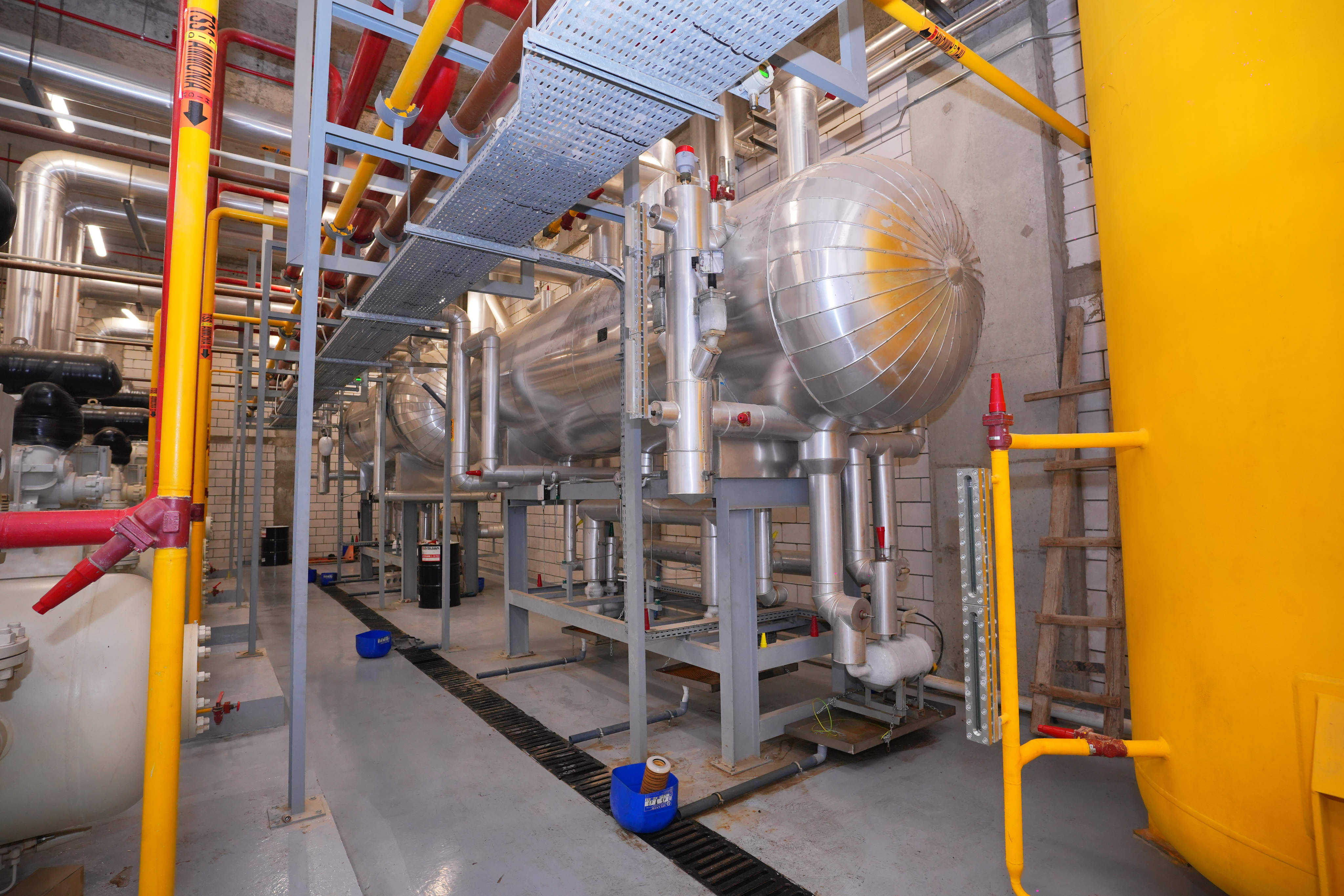
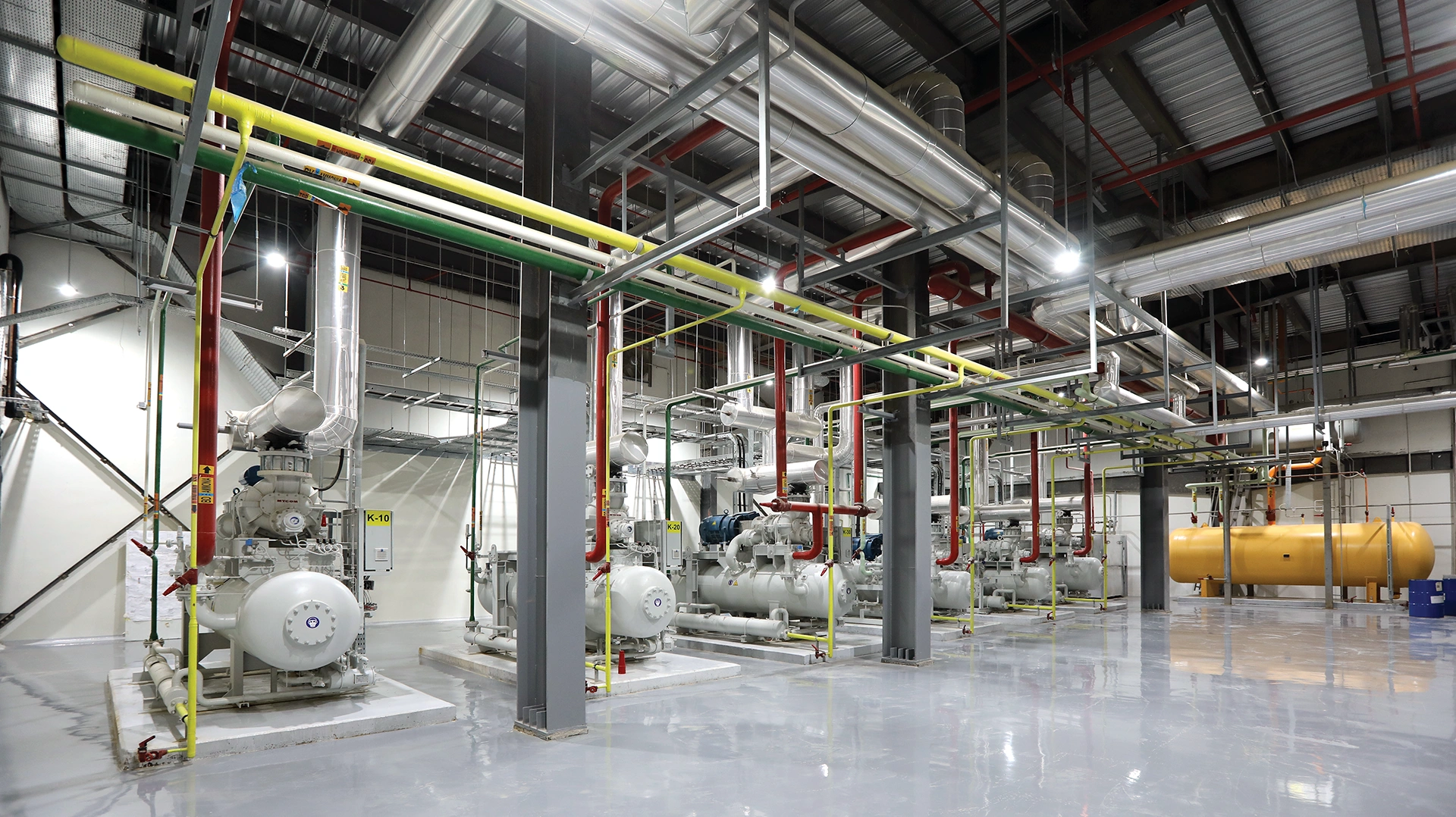
These trends align perfectly with the Company’s own growth ambitions and remain materially relevant to its strategic priorities, with a number of sectors targeted for expansion depending structurally on refrigeration systems, temperature-controlled infrastructure, industrial cooling capability, modular engineering applications, and specialised transport solutions. This is especially relevant within sectors such as healthcare, defence, and industrial infrastructure, where localisation requirements, in-Kingdom value creation initiatives and domestic procurement priorities are increasingly influencing purchasing decisions across government and semi-government entities. The inclusion of ambulance vehicles and related specialised applications within localisation-focused procurement frameworks also continues to support demand for domestically engineered and manufactured solutions.
It is important to note that the operating environment during the latter part of FY26 was influenced significantly by heightened regional geopolitical tensions, which contributed to supply-chain disruptions, shipping delays, and increased customer caution across parts of the market. These conditions affected procurement cycles, project timing and ordering activity in certain areas, particularly where imported components and international logistics were concerned. While these developments certainly created short-term operational and commercial pressures, the Group is confident that the long-term structural demand drivers that underpin its core markets remain intact.
Structural drivers of refrigeration and cold-chain demand
As the Kingdom makes headway towards its self-sufficiency and economic sovereignty objectives, food security remains one of the most significant long-term demand drivers within the operating environment. Saudi Arabia continues to invest heavily in agricultural infrastructure, food processing, cold storage, and supply-chain resilience as part of broader efforts to further bolster domestic food production capabilities and to systematically reduce reliance on importation of food products.
Gross value added (GVA) from food manufacturing increased to X 357.7 Bn. in 2023 from X 285 Bn. in 2019, while the government estimates food industry investments of up to X 75 Bn. by 2035. Saudi Arabia has also committed X 37.5 Bn. towards strengthening food security and agricultural production, including investment into modern farming methods, cold storage, and refrigeration infrastructure.
The expansion of domestic food production has increased demand for both transport refrigeration and stationary refrigeration systems across the Kingdom. Poultry and red meat production, dairy, frozen foods, fresh food distribution, and food-processing operations all require reliable temperature-controlled transport, storage, and processing capability. Saudi Arabia’s poultry industry alone reached 70% self-sufficiency during 2024, supported by investments exceeding X 1 Bn., while Vision 2030 targets 100% poultry self-sufficiency.
Cold-chain capability is also becoming increasingly important in reducing food loss and improving supply-chain efficiency across the Kingdom. Various studies point to substantial food waste levels in Saudi Arabia, reflecting the operational importance of temperature-controlled storage, transportation, and distribution infrastructure. As food-security and domestic production objectives intensify, investments into refrigeration systems, cold-chain monitoring, and modern logistics infrastructure are expected to play an increasingly important role in reducing spoilage, improving supply-chain resilience, and supporting production efficiency.
Also central to Saudi Arabia’s diversification strategy is the logistics sector. Through ongoing logistics and industrial development programmes, the Kingdom continues to expand ports, rail networks, logistics zones, warehousing infrastructure, and integrated industrial corridors intended to strengthen supply chains, both domestic and international. The Saudi logistics sector continues to expand, with merchandise trade reaching approximately X 2 Tn. in 2024, and container throughput reaching 11.38 million TEU. The Kingdom has allocated substantial investment toward logistics and transport infrastructure, including logistics zones, industrial hubs, and integrated cold-chain infrastructure supporting temperature-sensitive goods. CGS believes that the current geopolitical situation may prompt all nations within the wider GCC, particularly Saudi Arabia, to further accelerate plans around alternative logistics routes and infrastructure.
Ongoing geopolitical tensions across parts of the region may also reinforce the strategic importance of domestic and overland logistics capability over time, particularly where supply-chain disruption, shipping delays, or changing trade routes increase reliance on inland refrigerated transport and integrated cold-chain infrastructure within the Kingdom.
The growth of modern grocery retail, foodservice supply chains, and e-commerce is similarly contributing to rising demand for refrigeration infrastructure. Saudi Arabia’s grocery retail market recorded sales of X 147.4 Bn. in 2023, while the ongoing shift toward modern retail formats and online grocery channels continues to increase demand for refrigerated distribution capability, cold storage facilities, and last-mile delivery solutions. E-commerce penetration increased to 7.8% in 2023 from 3.9% in 2018, supporting increased investment into warehousing, fulfilment centres, and temperature-controlled storage infrastructure.
The healthcare and pharmaceutical sectors, meanwhile, are also evolving rapidly as healthcare investment grows. Pharmaceutical localisation, healthcare infrastructure expansion, and stricter regulatory requirements surrounding pharmaceutical transport and storage are increasing demand for compliant refrigeration systems and cold-chain logistics capability. Saudi Arabia’s pharmaceutical sector is projected to reach X 72 Bn. by 2030, driven by increased healthcare investment, localisation initiatives, and growing demand for temperature-sensitive medical products.
Regulatory frameworks established by the Saudi Food and Drug Authority (SFDA) are also contributing to rising demand for specialised refrigeration systems and temperature-monitoring capability. Food transport and pharmaceutical logistics increasingly require strict humidity and temperature-control compliance, calibrated monitoring systems, and dedicated refrigeration infrastructure, with operational data in certain applications also requiring integration and reporting through regulatory platforms and/or government portals.
Another key factor that lays emphasis on the structural importance of refrigeration infrastructure is Saudi Arabia’s climate. The Kingdom’s natural environment creates an intrinsically high dependence on cooling systems across food distribution, hospitality, pharmaceuticals, industrial operations, and logistics networks, making refrigeration and cold-chain infrastructure a critical operational prerequisite that cannot be foregone, calling for decisive and continual investment.
Demographic and consumption trends
On the demographic front, consumption trends continue to provide additional support to this evolving market landscape. Saudi Arabia’s population increased from 30.1 million in 2019 to 34.6 million in 2025 and is projected to continue expanding over the medium term, with the total population expected to reach 36.4 million by 2028. The Kingdom continues to maintain a relatively young demographic profile, with nearly half the population under the age of 29.
Urbanisation, rising employment, and increasing disposable income continue to support higher consumption across foodservice, grocery retail, healthcare, and hospitality sectors. Total consumer expenditure reached X 1.6 Tn. in 2023, compared to X 1.3 Tn. in 2019, while disposable income increased from X 1.4 Tn. to X 1.6 Tn. over the same period.
The Kingdom’s expatriate population, which accounted for 41.2% of the total population in 2023, also continues to support demand across HORECA, grocery retail, and healthcare services.
Tourism development is also contributing to increased demand across hospitality, foodservice, and healthcare-related infrastructure. Saudi Arabia recorded some 30 million inbound arrivals in 2025, while non-religious tourism has also seen significant expansion in recent years. Inbound travel spending increased from X 98.3 Bn. in 2022 to X 117.2 Bn. in 2023. Saudi Arabia’s long-term objective of attracting 150 million annual visitors by 2030 continues to drive demand for refrigerated food distribution, hospitality infrastructure, and catering-related cold-chain logistics.
While recent geopolitical tensions across parts of the region may create periodic disruption to travel flows, logistics activity, and investment timing in the near term, these developments are not at present expected to alter the Kingdom’s long-term structural tourism, infrastructure, and diversification trajectory under Vision 2030.
Technology, industrialisation, and emerging applications
The Kingdom’s ongoing technological transformation is contributing to increased demand for specialised cooling and infrastructure solutions. Saudi Arabia continues to expand telecommunications infrastructure, data centres, smart-city projects, and digital infrastructure as part of broader economic modernisation efforts.
The rollout of 4G and 5G infrastructure, growing internet penetration and broader digital infrastructure investment, including selected data-centre-related applications are increasing demand for specialised cooling systems, telecommunications shelters, and modular infrastructure solutions.
The ongoing industrialisation drive is similarly creating opportunities across petrochemicals, power infrastructure, logistics, and industrial manufacturing. The Kingdom plans to increase manufacturing’s contribution to GDP substantially by 2030 while continuing to expand factory capacity, industrial projects, and logistics infrastructure.
The oil and gas sector also continues to generate demand for modular structures, mobile accommodation units, and specialised industrial infrastructure supporting remote-site operations and workforce accommodation.
Meanwhile, defence localisation remains an increasingly important national priority, with the Kingdom targeting localisation of more than 50% of military equipment spending by 2030. Rising defence expenditure and localisation initiatives are expected to increase demand for specialised vehicles, mobile infrastructure, modular shelters, and engineered systems.
Healthcare-related mobile infrastructure also represents an emerging area of opportunity. Saudi Arabia continues to expand mobile clinics, ambulance infrastructure, and emergency medical services in support of healthcare accessibility, religious tourism, and large-scale public events.
Market outlook and industry positioning
Saudi Arabia’s transport refrigeration solutions market reached X 511.3 Mn. in 2023 and is projected to expand to X 776.3 Mn. by 2028, reflecting a CAGR of 8.7% over the forecast period. Growth is expected to remain supported by food production, grocery retail expansion, pharmaceutical logistics, tourism, and continued cold-chain modernisation.
The stationary refrigeration market, on the other hand, reached X 0.9 Bn. in 2023 and is projected to expand to X 1.3 Bn. by 2028, reflecting a CAGR of 7.6%. Industrialisation, warehousing growth, food processing, healthcare expansion, and hospitality-related investment continue to support demand across industrial and commercial refrigeration applications.
Overall, CGS operates within a market environment supported by multiple long-term structural drivers as visualised in our business model on D 1 of this report. Industrialisation, localisation initiatives including in defence, food security investment, logistics expansion, tourism growth, urbanisation, healthcare development, and increasing regulatory emphasis on temperature-controlled transport and storage all serve to increase the long-term importance and virtual indispensability of the very areas in which CGS specialises. Even as they collectively elevate the national interest, so too do these megatrends enhance the Group’s growing value proposition.
Sources: The company prospectus and an internal market research document, supplemented by publicly available data from government agencies, international organisations, and various publications and media outlets.
