



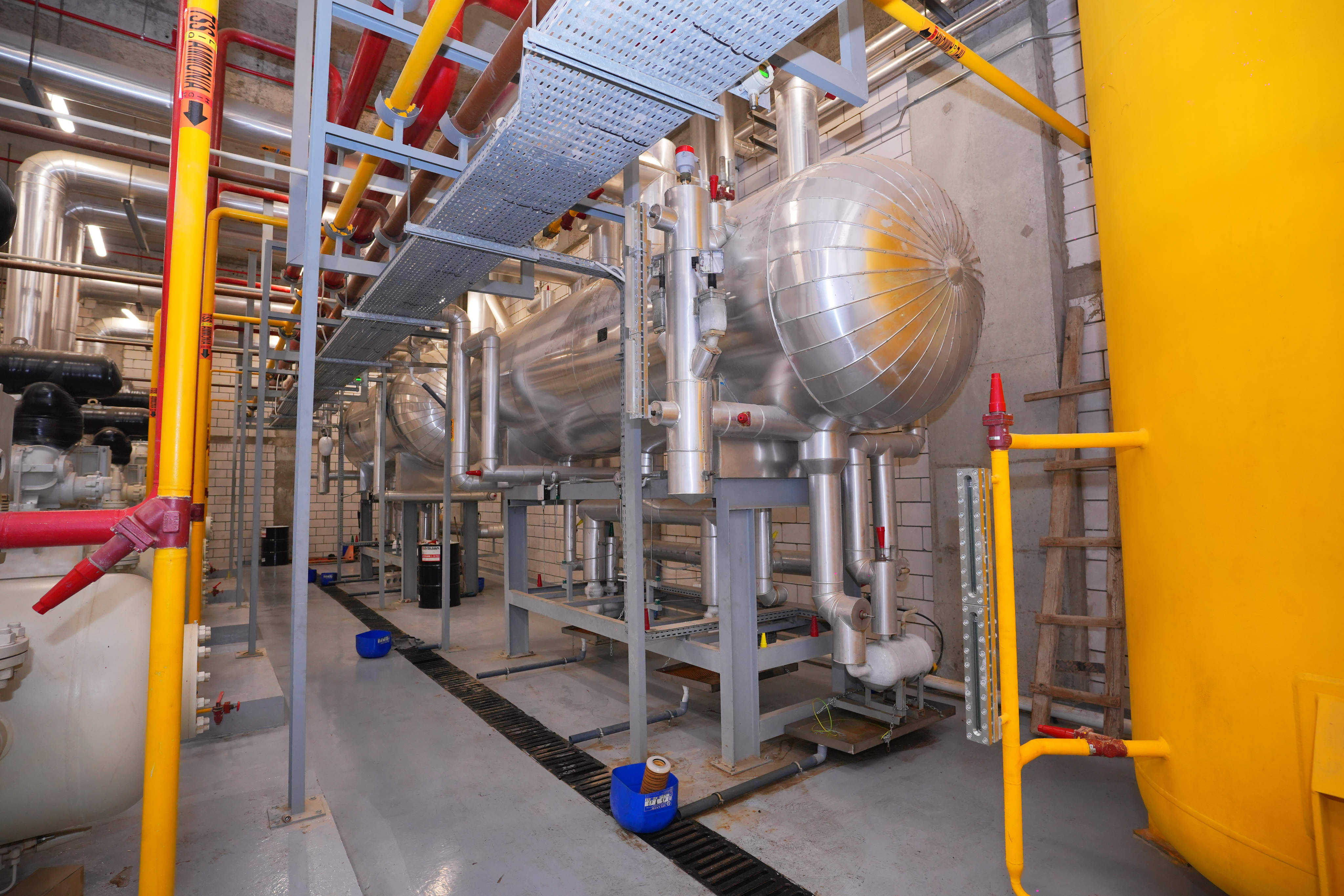


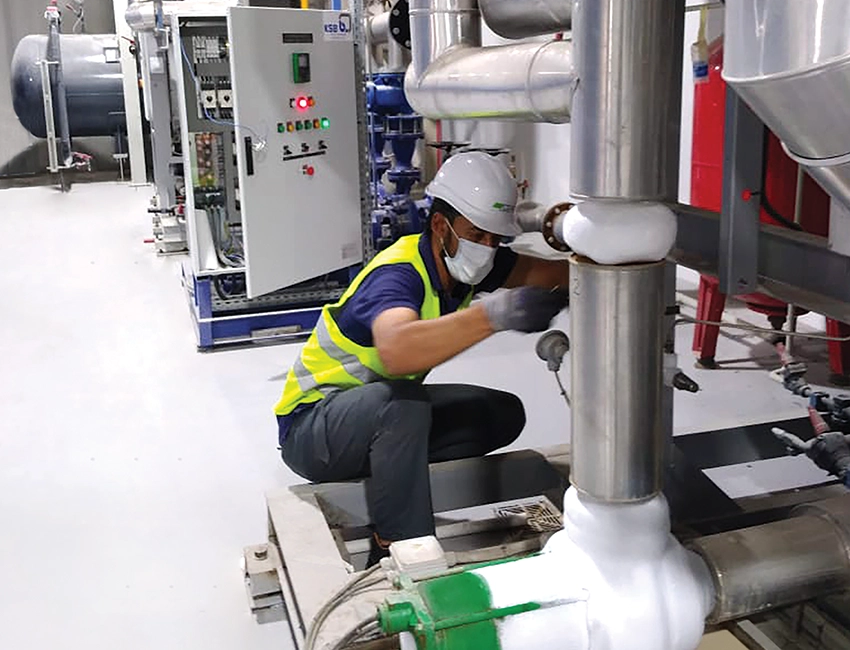

CGS operates across refrigeration, cold-chain infrastructure, customised engineering solutions, transport refrigeration, manufacturing, and related service operations serving multiple sectors including food and beverage, pharmaceuticals, logistics, healthcare, energy, defence, and industrial applications. The nature of these operations exposes the Group to various operational, financial, strategic, regulatory, and market-related risks that may affect business continuity, profitability, liquidity, and long-term strategic objectives.
The Board and management continuously monitor these risks through operational oversight, financial controls, project monitoring, customer engagement, governance processes, and periodic strategic reviews. Risk management remains integrated into the Group’s decision-making processes, particularly as the business continues to expand its manufacturing capabilities, diversify its product portfolio, and operate as a publicly listed company.
The principal risks identified by management during FY26 are outlined below.
Strategic risks

Dependence on key customers and revenue concentration
Historically, a significant proportion of CGS’s revenue has been generated from a relatively concentrated group of customers, particularly within the Automotive Solutions segment. The Group’s largest customers operate under varying procurement cycles and multi-vendor sourcing strategies, which may result in fluctuations in order volumes and market share between reporting periods.
In addition, the Automotive Solutions segment continues to represent the largest contributor to Group revenue. Demand within this segment remains influenced by customer fleet expansion plans, replacement cycles, liquidity conditions, van/truck chassis availability, and broader economic activity.
Management continuously monitors customer concentration levels, order pipelines, and segment exposure, while continuing efforts to diversify the Group’s revenue base through Stationary Refrigeration, Customised Solutions, and Aftermarket Services. The Group also continues to expand participation across additional sectors and customer categories to reduce reliance on individual customers and applications over time.
Dependence on key suppliers and material agreements
CGS relies on several key suppliers, distributors, and commercial counterparties across its operations. The Group’s manufacturing activities depend on the continuity of supply arrangements for components, raw materials, and specialised equipment.
Some agreements contain pricing adjustment mechanisms, termination rights, exclusivity restrictions, or operational obligations that may affect the Group’s flexibility and commercial position. Failure to renew key agreements, disruption in supplier relationships or inability to secure alternative suppliers on commercially acceptable terms could adversely affect operations, delivery timelines and profitability.
Management continues to monitor supplier relationships, contractual obligations and procurement exposure, while maintaining ongoing engagement with key counterparties and pursuing diversification across selected supply channels where practical.
Risks related to growth and expansion execution
CGS’s long-term strategy includes expansion into additional sectors, applications and geographic markets, alongside continued investment in manufacturing capability and specialised engineering solutions.
Execution of this strategy involves operational, financial and commercial risks, including:
- Risks associated with expansion into new or foreign markets
- Higher initial operating costs
- Delayed market adoption
- Recruitment of specialised personnel
- Financing requirements
- Project execution complexity
- Entry into sectors with different technical and regulatory requirements
Management continues to monitor capital allocation, investment priorities, and operational readiness toward scalability to meet market demand as the business expands into additional applications and manufacturing capabilities.
Risks related to changes in customer behaviour
The automotive solutions market has experienced a growing a shift towards leasing and intermediary financing models with regard to refrigerated transport applications. As customers increasingly prefer leasing arrangements over direct ownership, the Group may experience changes in purchasing behaviour, service requirements, and pricing dynamics.
This shift may reduce demand for certain higher-margin aftersales activities over time while increasing pricing pressure from larger leasing companies with stronger negotiating leverage.
Management continues to monitor evolving customer trends and adapt product offerings, service models and commercial approaches accordingly.
Geopolitical and regional market risk
CGS operates within a regional environment that may periodically experience geopolitical tension, supply chain disruption, and broader market uncertainty. During Q4, towards the end of FY26, heightened regional tensions contributed to shipping delays, softer customer ordering activity, and increased short-term uncertainty across parts of the market.
Prolonged geopolitical disruption could affect logistics networks, procurement timelines, customer investment decisions, market liquidity, and broader economic activity across sectors in which the Group operates. As a business dependent on project execution, imported components, and regional supply chains, CGS remains exposed to operational and commercial disruption arising from these conditions.
Management continues to monitor regional developments closely while maintaining operational flexibility, supplier engagement and scenario-based planning intended to support business continuity and execution resilience.
Reputation and brand risk
The Group’s reputation and brand positioning remain important to maintaining customer relationships, supplier confidence, and long-term market participation. Negative publicity, operational failures, product quality issues, cybersecurity incidents, employee misconduct, or customer dissatisfaction could adversely affect the Group’s reputation and commercial position.
Management continues to monitor customer satisfaction, service quality, governance practices, and operational performance in support of brand integrity and long-term stakeholder confidence.
Operational risks
Project execution and revenue timing risk
A growing portion of CGS’s activities involves project-based refrigeration and customised engineering solutions, where revenue recognition is influenced by execution milestones, delivery schedules, installation progress, and customer readiness.
Consequently, reported revenue in any given period may be affected by shipment delays, installation schedules, procurement timing, or changes in customer implementation plans.
Management monitors project pipelines, backlog conversion, and execution schedules continuously to manage operational capacity, working capital requirements, and revenue visibility. The Group also maintains active engagement with customers and suppliers to minimise disruption to project execution and delivery timelines.
Operational and supply chain risk
CGS depends on the efficient operation of manufacturing facilities, supply chains, logistics networks, and outsourced service providers. Operational disruption resulting from supply chain interruptions, delayed imports, labour shortages, equipment failure, or contractor underperformance could adversely affect production schedules, project execution, and customer deliveries.
The Group also remains exposed to broader regional and global disruptions affecting shipping, procurement, and logistics activity.
Management continues to strengthen supplier relationships, diversify procurement sources, maintain strategic inventory levels where necessary, and monitor procurement planning to minimise operational disruption.
Financial risks
Working capital and liquidity risk
The Group’s operations require ongoing investment in inventory, receivables, project execution, and production activities ahead of billing and collection. As a result, working capital requirements may fluctuate depending on project mix, order timing, and customer payment cycles.
Trade receivables and inventory levels remain significant components of the Group’s balance sheet. Delays in customer collections, slower inventory turnover, or deterioration in market liquidity conditions could affect operating cash flow and liquidity.
Management regularly monitors receivable aging, inventory turnover, customer credit exposure, and cash conversion metrics, while maintaining focus on working capital discipline and liquidity management.
Fluctuations in currency exchange rates
The Group imports refrigeration equipment, raw materials, and specialised components from international suppliers denominated in foreign currencies. Accordingly, fluctuations in foreign currency exchange rates may affect procurement costs, project profitability, and overall operating margins.
Although the Saudi Riyal is pegged to the US Dollar, the Group may still be exposed to currency fluctuations relating to purchases denominated in other foreign currencies, changes in global supplier pricing structures and indirect impacts arising from international market volatility.
Management continuously monitors foreign currency exposure and procurement commitments, while maintaining pricing reviews, supplier negotiations, and appropriate commercial arrangements intended to minimise the financial impact of currency fluctuations on the Group’s operations and profitability.
Risks related to technology and cybersecurity
Information technology and cybersecurity risk
CGS relies increasingly on information technology systems across operational, financial, and administrative functions. Disruption to these systems, cybersecurity incidents, data breaches, or failures in system protection could affect business continuity, operational effectiveness, and the confidentiality of sensitive information.
The Group maintains cybersecurity measures, backup systems and business continuity processes intended to reduce operational disruption and support system resilience.
Management continues to monitor evolving cybersecurity risks as operational reliance on digital systems increases.
Risks associated with automation and Industry 4.0 implementation
CGS continues to invest in automation, robotics and Industry 4.0 manufacturing technologies as part of its broader manufacturing and operational development strategy. These initiatives are intended to improve efficiency, scalability, and production capability across the Group’s operations.
Implementation of advanced manufacturing technologies, however, involves operational and execution risks, including system integration challenges, delays in implementation, operational disruption, technology underperformance, and increased dependence on digital infrastructure and specialised technical expertise. Failure to implement these technologies effectively could affect production efficiency, project execution, and expected operational benefits.
Management continues to monitor implementation progress, operational readiness, and technology integration requirements while investing in technical capability, workforce development, and supporting operational infrastructure.
Human capital risks
Human capital and talent retention risk
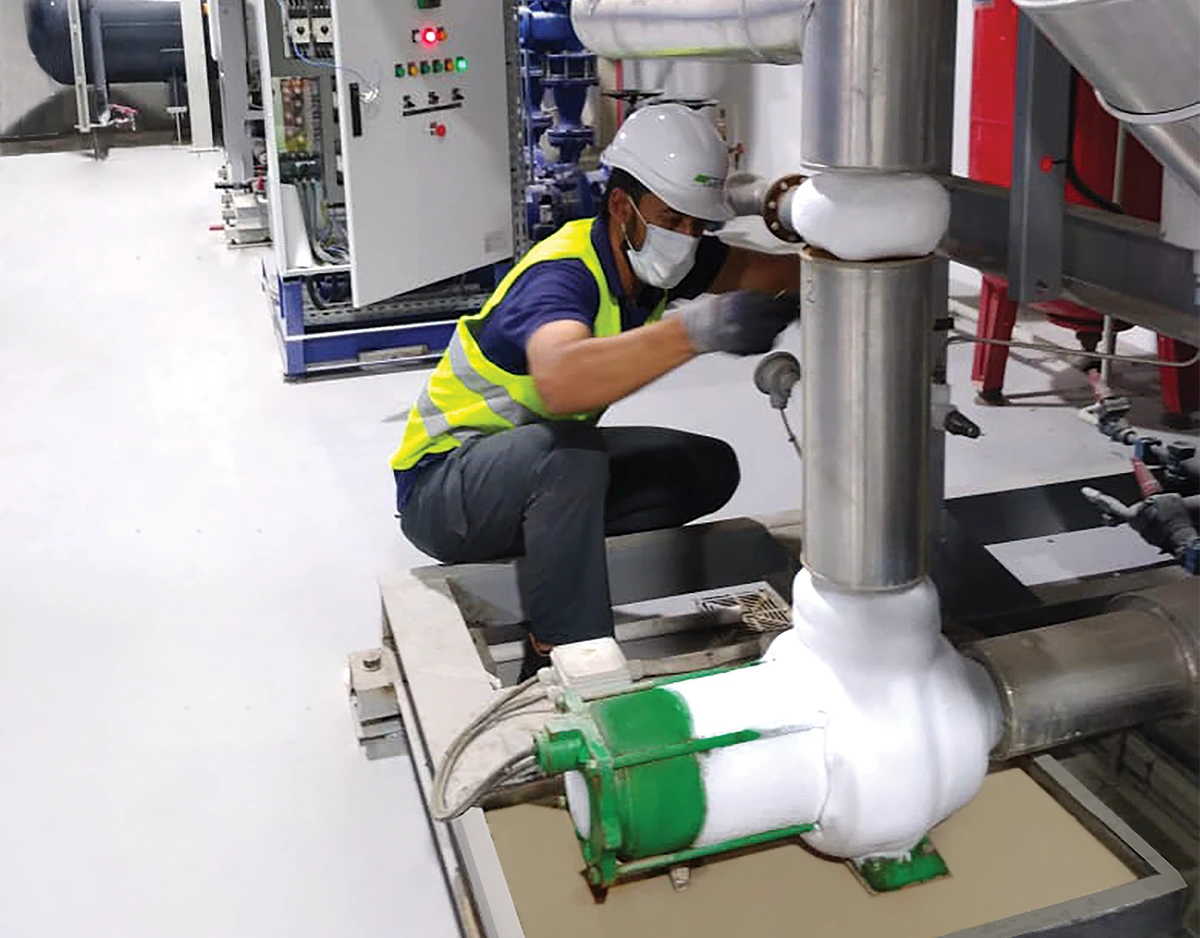
The Group’s operations depend on specialised engineering, manufacturing and technical personnel across refrigeration, fabrication, maintenance and customised engineering applications. Competition for experienced talent within these sectors remains significant.
Failure to attract, retain, and develop qualified personnel could affect execution capability, operational efficiency, and long-term growth initiatives.
Management continues to invest in workforce capability, technical training, succession planning, and organisational development in support of operational continuity and future expansion.
Legal risks
Regulatory, compliance, and legal risk
CGS operates within a regulatory environment involving commercial, industrial, labour, environmental, tax, leasing, and contractual compliance obligations across multiple jurisdictions. Changes in applicable regulations, contractual disputes, non-renewal of permits or non-compliance with legal requirements could expose the Group to operational disruption, financial penalties, or reputational damage.
The Group also remains exposed to risks associated with contractual enforceability, financing agreements, related-party transactions, and evolving tax obligations.
Management continues to strengthen governance processes, internal controls, and compliance oversight as part of the Group’s transition and ongoing development as a listed company.